
Scientists create the first draft genome of the endangered Visayan spotted deer, a species found only in the Philippines
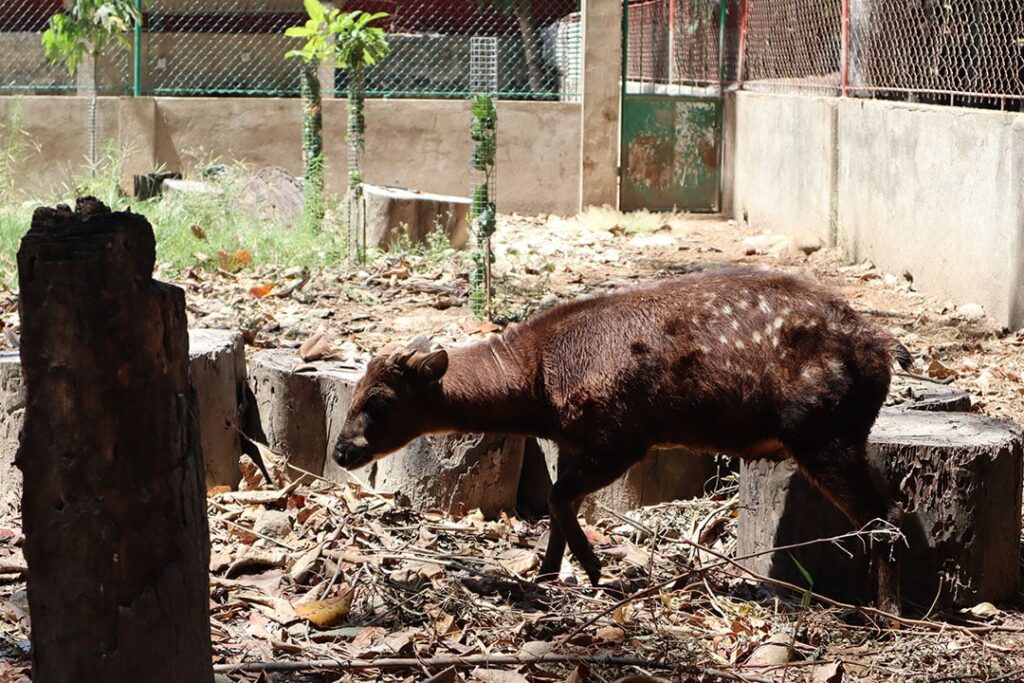
Scientists create the first draft genome of the endangered Visayan spotted deer, a species found only in the Philippines 20 March 2026 The genus Rusa, native to South and Southeast Asia, lives in diverse habitats ranging from dense forests to grasslands. Among its members is the Visayan spotted deer, also known as the Philippine spotted deer and Rusa alfredi, one of three endemic species in the Philippines. It is a highly rare and endangered species indigenous to the Visayan Islands, a region considered a top conservation priority due to its many threatened endemic species and the severe risks to its habitats. The Visayan spotted deer is characterized by its soft, dark brown coat and distinct nominal spots. It once played a crucial role as an herbivore in influencing vegetation dynamics. However, its disappearance from most areas makes it difficult to fully determine its historical ecological impact. R. alfredi has been classified as endangered in the Red List of Endangered Species of the International Union for Conservation of Nature since 1988. It is estimated that only 700 mature individuals were in the wild as of 2016. More broadly, the genus Rusa is experiencing a rapid decline in biodiversity worldwide and is facing a high risk of global extinction. Despite its importance to local ecosystems, little is known about the genetics of the Visayan spotted deer, which is crucial for understanding its survival and conservation needs. In this study, we created the first draft genetic map (or “genome”) for this species, providing a comprehensive set of its genetic instructions. This genome, named RusAlf_1.1, contains over 24,000 genes and encompasses more than 95% of the expected genetic material for mammals, making it a high-quality resource for researchers. By comparing this genome to those of other deer, we found that the Visayan spotted deer is closely related to species in the Cervus group, such as the Red Deer. This information will help conservationists track genetic diversity, identify unique adaptations, and improve breeding programs, ensuring a healthier, more resilient population. The genome is critical to protecting this unique species from extinction. Authors: Ma. Carmel F. Javier (Philippine Genome Center Visayas, University of the Philippines Visayas), Albert C. Noblezada (Philippine Genome Center Visayas, University of the Philippines Visayas), Persie Mark Q. Sienes (Biology Department, Silliman University), Robert S. Guino-o (Angelo King Center for Research and Environmental Management, Silliman University), Nadia Palomar-Abesamis (Biology Department, Silliman University), Maria Celia D. Malay (Marine Science Institute, University of the Philippines Diliman), Carmelo S. del Castillo (Institute of Aquaculture, College of Fisheries and Ocean Sciences, University of the Philippines Visayas | National Institute of Molecular Biology and Biotechnology, University of the Philippines Visayas) and Victor Marco Emmanuel N. Ferriols (Philippine Genome Center Visayas, University of the Philippines Visayas | Institute of Aquaculture, College of Fisheries and Ocean Sciences, University of the Philippines Visayas)
UP Social Science and Philosophy Productivity System (SSPPS)

UP Scientific Productivity System (SPS) No information yet
Emerging Interdisciplinary Research (EIDR)
Emerging Interdisciplinary Research About the Program The University is implementing innovative, interdisciplinary, inter-CU research programs and projects that aim to generate fundamentally new knowledge contributing to the understanding of natural phenomena, and with beneficial applications. Further proof of concept/principle of UP patents for technology transfer and business development is prioritized. General research areas for this grant include: Progressive pedagogy Philippine culture, arts, mass communication, humanities, to enhance national identity, global orientation or tourism development Poverty alleviation: family and community development Health, disease, and wellness Agriculture, aquaculture, animal husbandry, and nutrition Environment, climate, and energy Biodiversity, conservation, and drug discovery Genomics, other “-omics,” and biotechnology ICT engineering, nanotechnology Computational modeling, complex systems EIDR grants are awarded up to the amount of P2.5M per project, or P10M per program (for 4 projects) per year, for 2 years, renewable for another two years. Forms and Guidelines BOR Approval Application Form (Form 2.0) Instructions for Progress Reports and Terminal Reports (Form 4.0) Line-Item Budget (Form 4.1) Budget Realignment Form (Form 5.0) Terminal Report Form (Form 7.0) Risk Analysis Frequently Asked Questions Program Implementation Appointment of Project Personnel List of Research Programs and Projects Ongoing and Completed Projects
Research Dissemination Grant

Research Dissemination Grant About the Grant In the University, there are many faculty members and researchers who are prolific in research and publication. Unfortunately, they cannot present their research output to the international research community due to lack of funds. The Faculty/Administrative Development Fund of their respective Constituent Universities (CUs) cannot always fully cover expenses that would be incurred at international conferences. To fill in the gap, the Board of Regents established the UP Research Dissemination Grant (RDG) in its 24 November 2011 meeting and subsequently approved the inclusion of researchers from the REPS sector on 20 September 2012. The RDG is an award to outstanding faculty and REPS researchers who receive invitations or gain acceptance to present their research papers in prestigious international conferences. With the RDG, faculty and REPS researchers are encouraged to conduct and publicize high-quality research that would make the University more visible in the international research community. Participation in international conferences would also expose our faculty and REPS researchers to cutting-edge research, and could provide opportunities to forge collaborations with leading researchers in the world. The amount of the grant is fixed per applicant and based on the location of the international conference: Location of Conference Grant Amount Asia (excluding South Asia) and Pacific Islands PHP 25,000 North and South America, Europe, Russia, Africa, Middle East, Australia, and India PHP 45,000 Please note that the applicant must also be the presenter. All applications must be endorsed by the CU. Duly endorsed applications should be submitted to the Office of the Vice President for Academic Affairs via DRS (Document Routing System) during the following application periods only: February 10-15; April 10-15; June 10-15; August 10-15; October 10-15 and December 10-15 and at least two months before the date of the conference. After that time, applications will no longer be accepted and we cannot grant any extensions. The UP System RDG is only a supplemental funding to the CU RDG. Please submit all applications for virtual presentations in international conferences to your CU c/o OVCRD/OVCRE /OVCAA.
Enhanced Creative Work and Research Grant (ECWRG)
Enhanced Creative Work and Research Grant Announcement OVPAA Memo 2023-42: The call for proposals for the Enhanced Creative Work and Research Grant is postponed for program review. About the Grant Faculty (Instructor 4 and higher) and REPS (University Researcher 1 and higher) are invited to submit proposals for the ECWRG. The ECWRG aims to encourage faculty and REPS to undertake research or creative work that will lead to publications, exhibitions, performances of creative work or other significant output such as patents, new software, and advanced technologies. To ensure the quality of output, publication or exhibition will be required prior to the full release of the grant. For the requirements on publications, please refer to the recent BOR-approved guidelines on the International Publication Award (1316th BOR Meeting on 31 March 2016). The grant shall be for a period of 18 months only. Grants vary based on faculty rank, from P450,000 to P650,000 (less withholding tax) for a project. Applications and proposals for the ECWRG must be submitted to the Office of the Vice Chancellor for Research (or equivalent unit) of the applicant’s CU. These will be subjected to technical evaluation by external reviewers (external to the CU or to UP) selected by the CU OVCR or equivalent unit. All reviewed proposals will be transmitted to the OVPAA for evaluation by the ECWRG Monitoring and Evaluation Committee. The number of proposals that will be recommended for funding will depend on available funds. Evaluation Guide Evaluation Guide Forms and Guidelines BOR Approval ECWRG_BOR-1137th-meetingDownload Guidelines Guidelines-on-Enhanced-Creative-Work-and-Research-Grant_2021Download Clarification on Eligibility Requirements OVPAA-MEMO-NO.-2020-20Download Proposal Form (Form 5.1 and 5.2) ECWRG-Revised-Form-August-2022Download Instructions for Progress Reports and Terminal Reports (Form 4.0) BPhD-ECWRG-EIDR_Progress-and-Annual-Report-Instructions_Form-4.0-rev-2022-NewDownload Risk Analysis EIDR_Balik PhD_ECWRG_Risk AnalysisDownload Proposal Evaluation Sheet (CU Template for External Review)
A foreign-funded farm-to-market road project in Quezon worsened inequality by strengthening the power of rural elites
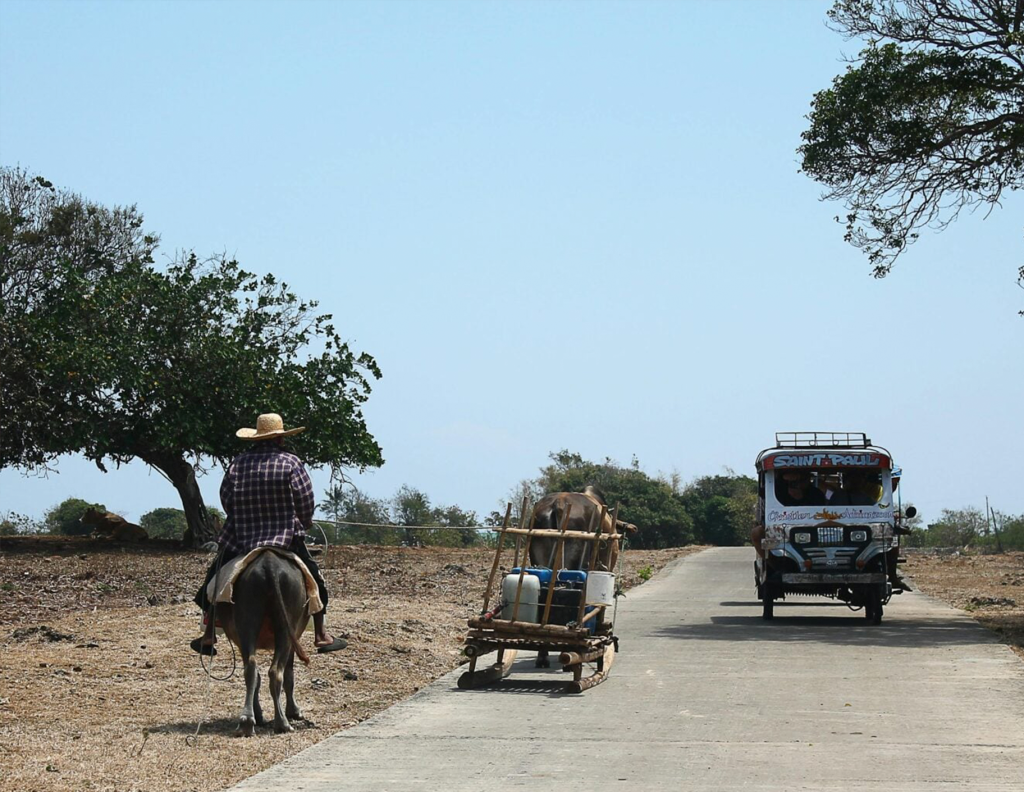
A foreign-funded farm-to-market road project in Quezon worsened inequality by strengthening the power of rural elites 20 January 2026 This study rigorously explored the multifaceted impacts of the Japanese-funded farm-to-market road (FMR) project in Agdangan, Quezon, focusing on its effects on landowners, traders, and agrarian reform beneficiaries (ARBs). Through qualitative methods such as direct observations, interviews, and focus group discussions, the research assessed the effectiveness of the FMR in achieving poverty reduction and economic development in rural communities. The findings revealed that while the FMR boosted the economic activities of landowners and traders, it exacerbated inequalities, leaving ARBs marginalized and without equal access to resources. Applying Tanya Murray Li’s frameworks of “The Will to Improve” and “Capitalism from Below,” the study demonstrated how local political and economic structures influenced the distribution of benefits, reinforcing rural elites’ power and deepening existing disparities. This research contributes to political science by highlighting the role of power dynamics and local governance in shaping foreign aid outcomes, emphasizing the need for inclusive approaches that address structural barriers. By focusing on how the project benefits certain groups, like wealthier farmers, while neglecting marginalized ones, it highlights the uneven impact of development projects. It calls for future research to explore the long-term impacts of such projects, with a focus on social justice and equity, and the influence of local political structures on international aid, aiming for more equitable and sustainable rural development. The study also explores how local power dynamics, such as landownership and political influence, shape the project’s outcomes, revealing that foreign-funded projects may reinforce existing social hierarchies rather than alleviate them. This work contributes to development studies by emphasizing the need for inclusive, context-aware planning to ensure that infrastructure projects foster equitable development for all. Author: Ma. Josephine Therese Emily G. Teves (Department of Social Sciences, College of Arts and Sciences, University of the Philippines Manila) Read the full paper: https://brill.com/view/journals/ppsj/45/3/ppsj.45.issue-3.xml Image by Elmer Domingo from Pexels
Filipina domestic workers in Singapore share some experiences with other overseas mothers but also face unique challenges
Filipina domestic workers in Singapore share some experiences with other overseas mothers but also face unique challenges 19 January 2026 In this study, I looked at how single Filipina mothers working as domestic workers in Singapore maintain their familial ties, especially with their children. This study goes beyond just recording the challenges and approaches single Filipina migrant mothers use in maintaining family relationships from afar; it also aims to reflect their perspectives and hopes for amplifying their voices. My findings showed that while the experiences of my participants share some common themes with other overseas mothers, they also face distinctive challenges. They balance being the main breadwinner and primary caregiver, feel a strong need to work abroad while being solely responsible for their children, and manage caregiving from a distance through female relatives. They also deal with working in a foreign country without the emotional and financial support of a partner. Additionally, I found that their paid caregiving work in Singapore and their unpaid caregiving in the Philippines are not mutually exclusive but rather interconnected activities. Ultimately, this article strives to make my interlocutors’ voices heard and attempts to contribute towards achieving justice in knowledge representation. My research is significant for three reasons, mainly within the field of sociology of gender and global inequalities. First, I explore how single Filipino mothers manage family life from abroad to float unique narratives that are often overlooked in the literature on transnational mothering by Filipina migrants. Although Filipino single mothers appear in various studies, their specific experiences have not been the focus. Second, I apply standpoint theory to the lives of single Filipina migrant mothers. This theory suggests that one’s social position influences one’s worldview and that unique experiences in these positions can shape knowledge. Third, I employ Filipino indigenous methodologies: pakikilahok and pakikipagkwentuhan. These methods are deeply rooted in Filipino culture and emphasize participatory research. Beyond centering a segment of Filipino experience, the findings of my study are applicable and relevant globally, especially in comparative migration studies. Author: Athena Charanne R. Presto (Department of Sociology, College of Social Sciences and Philosophy, University of the Philippines Diliman) Read the full paper: https://doi.org/10.1177/00207152251319744 Image by Farrah Sayyed from Pexels
Close government–business relationships helped deliver major infrastructure projects in Iloilo City
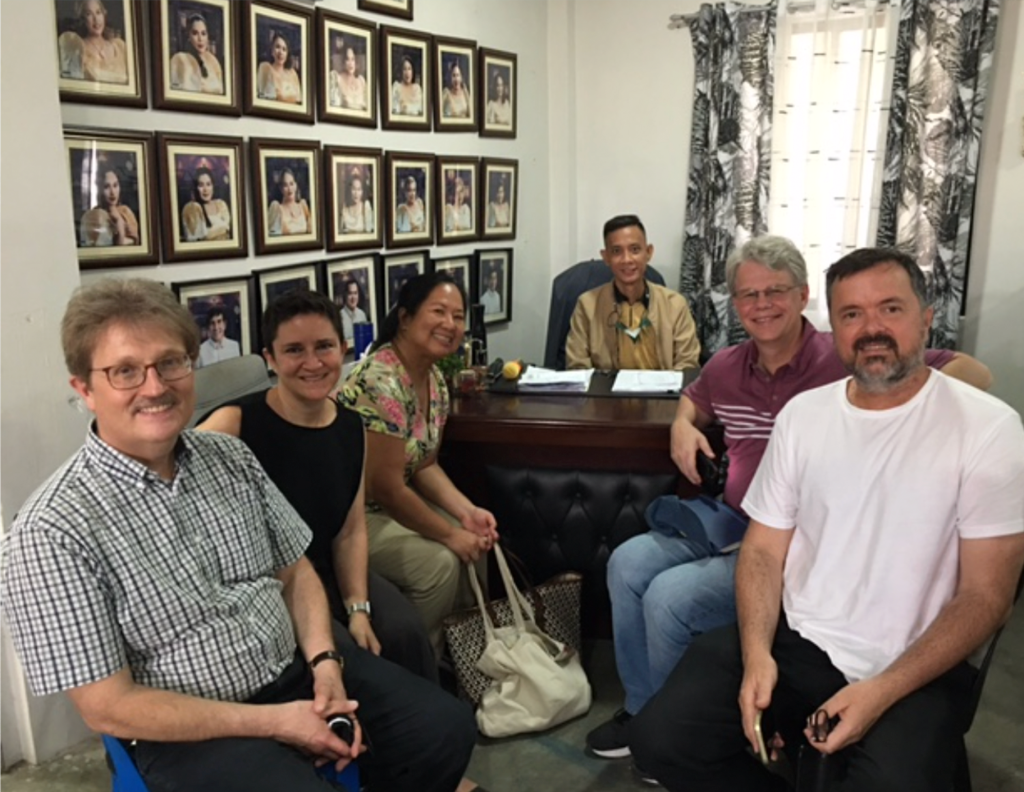
Close government–business relationships helped deliver major infrastructure projects in Iloilo City 16 January 2026 This article examines Iloilo City as an alternative model of government–business relations, built on a stable local political system and strong informal ties with the business sector. Since the early 2000s, partnerships among national and local leaders and business groups have led to key infrastructure projects. Iloilo City’s infrastructure boom, which began in the 2000s, was facilitated by a stable political configuration that enabled a sustained flow of national government funding through congressional and residential pork-barrel allocations, as well as official development assistance (ODA). Political alignment between the city’s local authorities and the two-term Senate President Franklin Drilon, who pushed bureaucracies at the top and leaned on national government entities, enabled unimpeded access to these sources. Personal ties, supplemented by partisan (Liberal Party) connections, lubricated these processes. This consolidated political machine, which included Congressman Jerry P. Treñas and Mayor Jed Patrick Mabilog, committed to a common development logic that promoted constructive rather than collusive private sector influence. Drilon’s leadership downplayed competition among local businesses for influence in the city government. Local business groups are cohesive because of their social connections to politicians, and through their formal interaction in planning platforms organized by the city government. Planning for big-ticket infrastructure projects was facilitated by harmonious business-government ties, orchestrated at the top by Senator Drilon. It also required the cooperation of the city mayors, whose electoral longevity stood to benefit from good economic performance and sustained revenues. Iloilo City achieved major infrastructure projects—an international airport, flood control and Iloilo River rehabilitation, a network of roads and bridges linking transport nodes, and a mega-dam to supply its future water requirements—largely due to this fortunate confluence of events and key leaders. Big infrastructure projects shape partnerships between local governments and businesses because both see them as key to economic growth. The analysis is based on data generated from interviews with Mayor Jerry P. Treñas, and his 2022 campaign manager, city government planning officials, and representatives of business groups and the urban poor. It also draws from previous studies examining Iloilo City infrastructure projects, local newspaper accounts, and economic data from the Iloilo City Planning and Development Office. Author: Rosalie Arcala Hall (Division of Social Sciences, University of the Philippines Visayas) Read the full paper: https://journals.sagepub.com/doi/10.1177/18681034241265724
Thirteen species of the microscopic algae Pinnularia are recorded for the first time in the Philippines
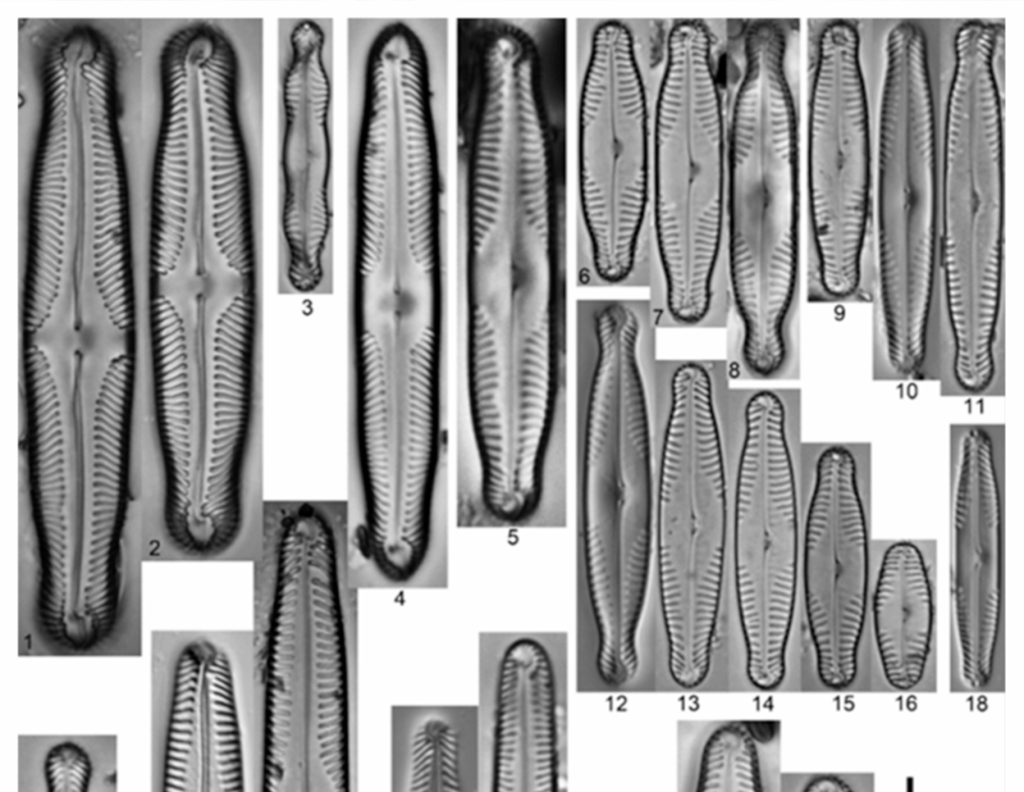
Thirteen species of the microscopic algae Pinnularia are recorded for the first time in the Philippines 13 January 2026 This study explored the tiny algae called Pinnularia—a group of microscopic organisms known as diatoms—in the Marikina River, which flows through the eastern part of Metro Manila. Using a microscope, scientists identified 17 different kinds of Pinnularia living in the river. Out of these, 13 have never been officially recorded in the Philippines before, making them new additions to the country’s list of known freshwater diatoms. Collected from various sections of the river spanning upstream to downstream areas, which encompass a range of land uses within the watershed, each species was carefully described with in-depth taxonomic descriptions and habitat data. While most species identified are cosmopolitan, the presence of Pinnularia divergens var. mesoleptiformis, previously known only from tropical South America, adds a valuable biogeographic insight and may suggest broader distribution patterns or long-distance dispersal events. These microscopic organisms are important because they can help scientists understand the health of freshwater ecosystems. Thus, this research not only adds to what we know about the biodiversity of the Marikina River, but also helps build a scientific foundation for future studies on water quality, river health, and environmental protection in the Philippines. This study holds importance as it presents the first comprehensive taxonomic examination of the diatom genus Pinnularia Ehrenberg in the Philippines. Through detailed morphological analysis, a total of 17 taxa were identified from the Marikina River, including three unidentified forms, thereby bringing the total number of known Pinnularia taxa in the country to 57 based on updated nomenclature from Guiry and Guiry (2024) and Kociolek et al. (2024). Overall, this study not only contributes to the enrichment of the global inventory of freshwater diatoms but also establishes a crucial baseline for future ecological, biogeographic, and applied research involving diatoms in the Philippines. Authors: Milagrosa R. Martinez-Goss (Institute of Biological Sciences, and Museum of Natural History, University of the Philippines Los Baños), Taisuke Ohtsuka (Lake Biwa Museum), Eldrin DLR. Arguelles (Philippine National Collection of Microorganisms, National Institute of Molecular Biology and Biotechnology, University of the Philippines Los Baños), Tohru Ikeya (Research Institute for Humanity and Nature | College of Science and Engineering, Ritsumeikan University), Elfritzson M. Peralta (Department of Biological Sciences, College of Science, Research Center for the Natural and Applied Sciences, The Graduate School, University of Santo Tomas), Rey Donne S. Papa (Department of Biological Sciences, College of Science, Research Center for the Natural and Applied Sciences, The Graduate School, University of Santo Tomas) and Noboru Okuda (Research Institute for Humanity and Nature | Research Center for Inland Seas, Kobe University) Read the full paper: https://philjournalsci.dost.gov.ph/annotated-checklist-and-illustrations-of-pinnularia-species-in-the-marikina-river-rizal-luzon-the-philippines/
International Publication Award (IPA)
International Publication Award (IPA) About the Award The International Publication Award aims to encourage faculty, REPS, and students to contribute to the body of knowledge in their respective fields/disciplines by publishing in internationally respected journals that are peer-reviewed and adhere to high standards of scholarship. Submission Procedure Guide Forms and Guidelines BOR Approval Guidelines Clarificatory Note Application Form – Journal Article (Form 4.1) Layman’s Summary (Form 4.2) Notice of Award (Institutional Award Form) (Form 4.3) Application Form – Book/Book Chapter (Form 4.4) Checklist