
From Strategy to Sovereignty: Lessons from Australia’s National AI Plan
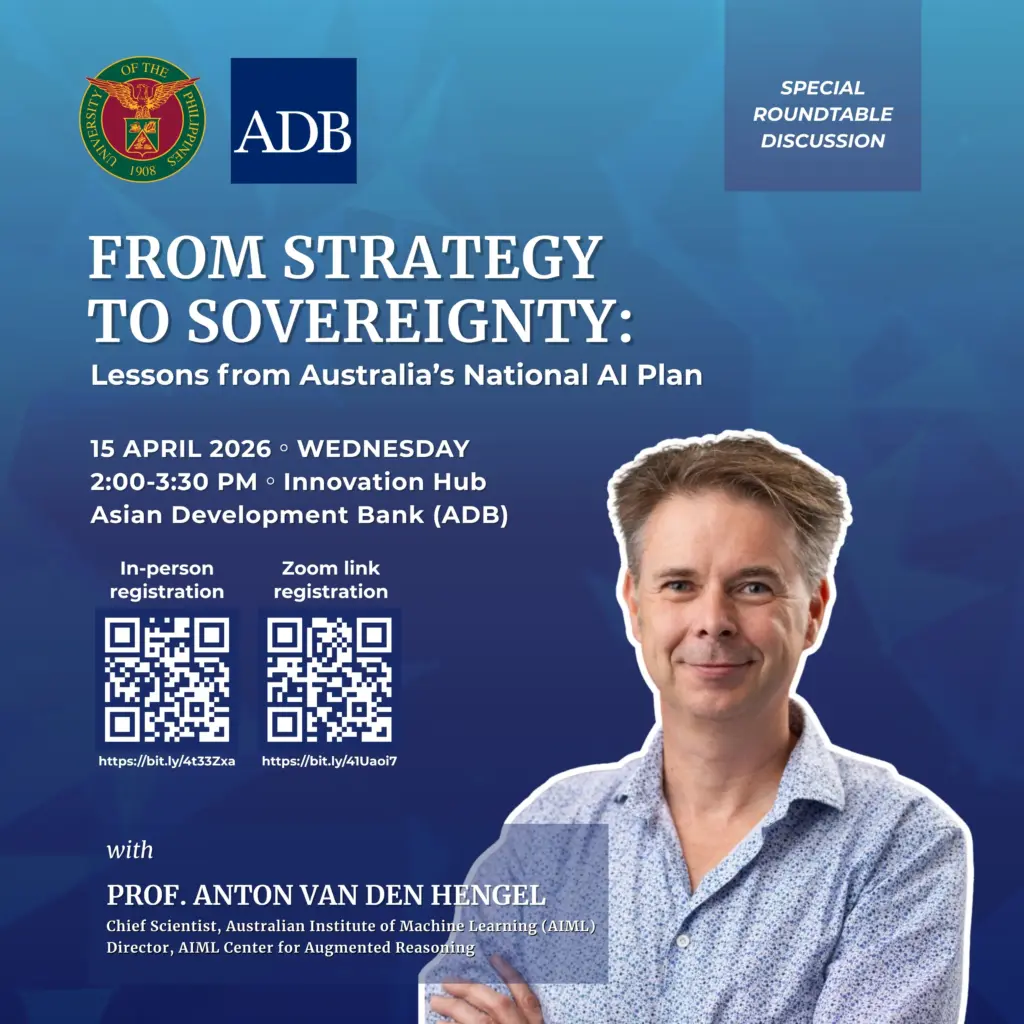
From Strategy to Sovereignty: Lessons from Australia’s National AI Plan Join Prof. Anton van den Hengel, Chief Scientist at the Australian Institute for Machine Learning, for a roundtable discussion titled “From Strategy to Sovereignty: Lessons from Australia’s National AI Plan”. In this session, we will examine Australia’s National AI Plan and derive insights on translating AI ambition into institutional capability, trusted data ecosystems, and responsible governance. The session will be held on Wednesday, April 15, 2026 from 2:00 PM to 3:30 PM at the ADB Innovation Hub and online via Zoom. Interested attendees may register for the in-person event at https://bit.ly/4t33Zxa or access the Zoom link at https://bit.ly/41Uaoi7. To access the Australia’s National AI Plan, visit this link: https://www.industry.gov.au/publications/national-ai-plan Whether you’re a policymaker, researcher, industry leader, or simply interested in the future of AI, this is an opportunity to gain valuable insights and join a timely conversation shaping the region’s digital future. See you there!
On the Evolution of Stochastic Parrots
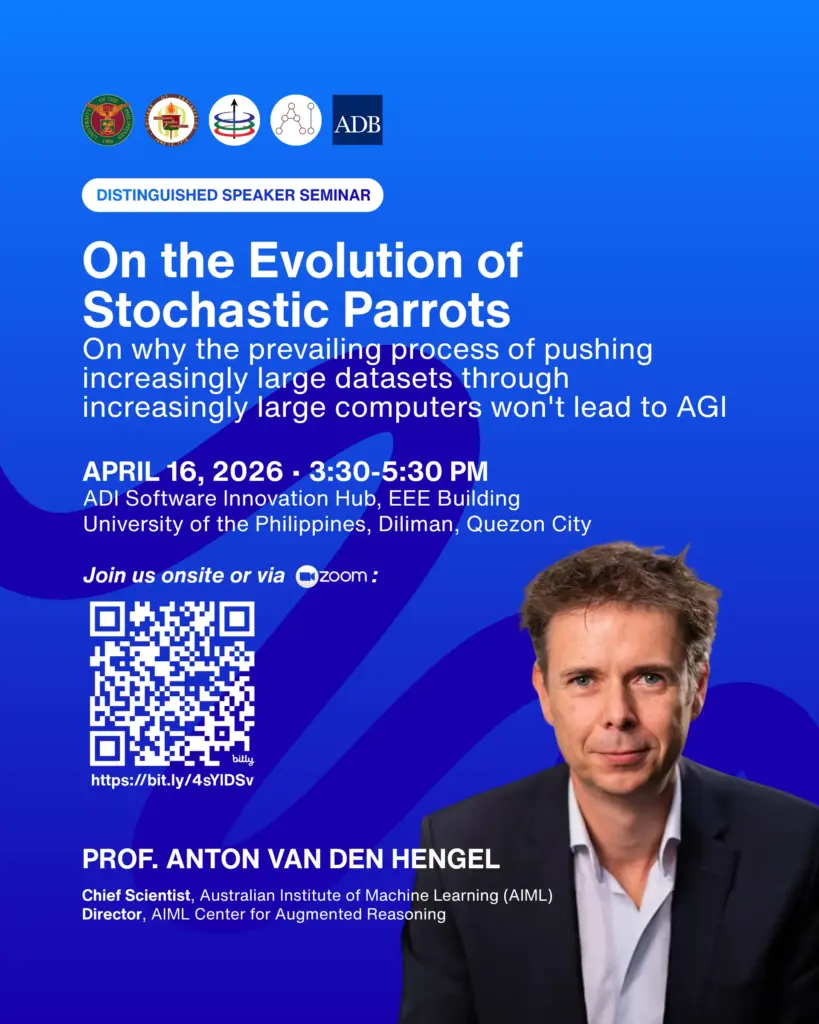
On the Evolution of Stochastic Parrots Join Prof. Anton van den Hengel, Chief Scientist at the Australian Institute for Machine Learning, for a distinguished speaker seminar titled “On the Evolution of Stochastic Parrots” on Thursday, April 16, 2026, from 3:30 PM to 5:30 PM. Hosted at the ADI Software Innovation Hub in UP Diliman and available via Zoom, this session explores why pushing massive datasets through larger computers is fundamentally insufficient for achieving Artificial General Intelligence (AGI). Register to join onsite or online at https://bit.ly/4sYlDSv.
OVPRI Leads UP System Briefing on Program Convergence Budgeting
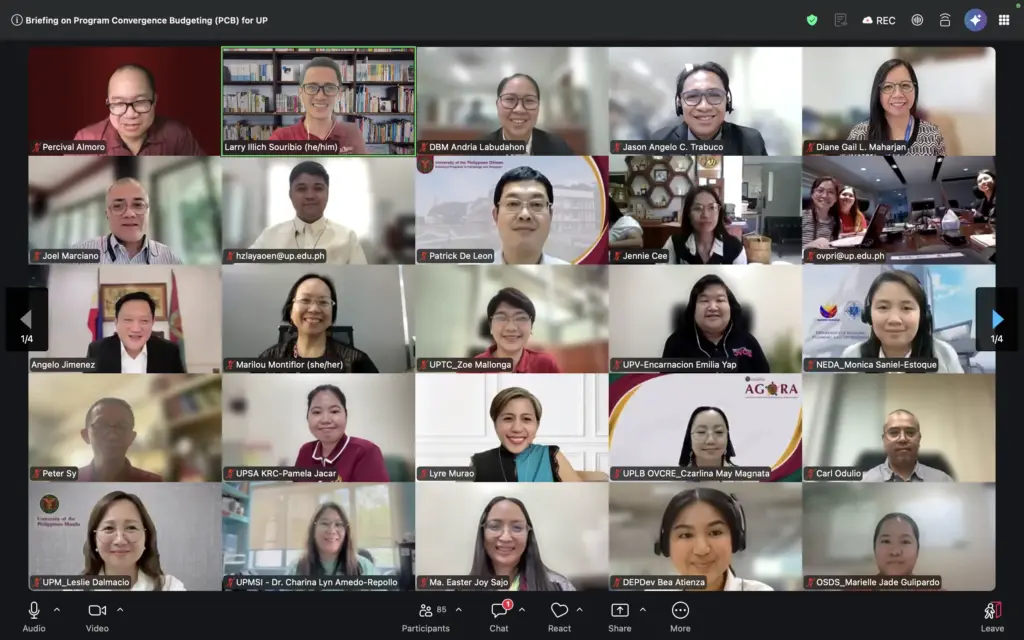
OVPRI Leads UP System Briefing on Program Convergence Budgeting 24 March 2026 The Office of the Vice President for Research and Innovation (OVPRI), through the Research and Creative Work Innovation Committee (RCWIC), led an online, system-wide briefing on Program Convergence Budgeting (PCB) last March 24, 2026. This briefing aims to strengthen the coordination of research and innovation initiatives across the University of the Philippines (UP). The briefing gathered representatives from UP constituent universities, including chancellors, vice chancellors, deans, directors, and other officials involved in university administration and research planning. The discussion focused on the PCB framework, processes, and requirements for developing new programs aligned with national priorities. UP President Angelo Jimenez underscored the importance of aligning the university’s research agenda with national development goals. He said that UP continues to pursue a transformative agenda that strengthens its role not only as a producer of future leaders but also as a source of research and innovation that improves the lives of Filipinos. The briefing also emphasised the need for stronger collaboration within the UP system to ensure that research initiatives contribute to national innovation efforts. During the technical presentations, Department of Budget and Management representative Jason Trabuco explained that PCB is primarily a mechanism for identifying priorities and coordinating programs rather than a guarantee of additional funding. He presented the status of PCB implementation and outlined the requirements for proposing new programs, including alignment with national development plans and submission timelines targeted for the second quarter of 2026. Director Diane Gail Maharjan from the Department of Economy, Planning, and Development also discussed the PCB for Innovation initiative, which seeks to address fragmentation in innovation programs by identifying overlaps, improving coordination, and supporting the National Innovation Agenda. The briefing concluded with discussions on proposal preparation, coordination among UP offices, and next steps for research planning and budget submissions. President Jimenez expressed appreciation for the participation of UP units and government partners and reiterated the university’s commitment to supporting the successful implementation of PCB initiatives. The forum brought together 86 participants from across the UP system and partner agencies and forms part of OVPRI’s continuing efforts to strengthen research coordination and innovation planning across the university.
Gaps in a city’s urban landscape, also known as urban voids, have the potential to drive urban revitalization
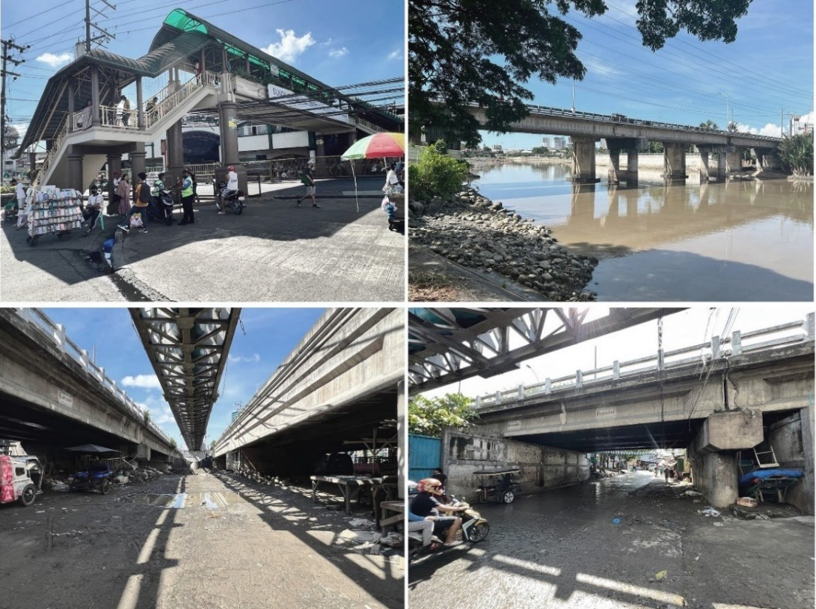
Gaps in a city’s urban landscape, also known as urban voids, have the potential to drive urban revitalization 01 April 2026 Suburbanisation is the expansion and spatial reorganization of a growing metropolitan region. For Davao City, this phenomenon has notably damaged the quality of life in the Poblacion District (local term for Central Business District or CBD) by creating gaps in the city’s urban landscape, gaps that are also referred to as urban voids. These urban voids present both a problem in the urban space and an opportunity for progressive development. This study aims to explore the potential of urban voids in the local context of Davao City’s Poblacion District and its significance in promoting urban revitalisation and avoiding urban blight. In analysing the figure-ground map of the CBD produced solely for this study, five types of urban voids were identified: (a) derelict spaces; (b) infrastructure voids; (c) underutilised public spaces; (d) transitional spaces; and (e) exceptional cases combining derelict spaces and transitional spaces. Further assessment identified the factors that caused urban voids to include natural, geographic, political, economic, socio-cultural, and dysfunctional factors. The majority of the public perceives these spaces as opportunities rather than liabilities. Hence, active participation and cooperation of all stakeholders are needed to achieve sustainable urban revitalisation initiatives and successfully integrate urban voids into the urban fabric. Population growth coupled with spatial expansion toward the suburbs, resulting in an increase in unoccupied inner urban areas, is one of the urban challenges in Davao City. While the city grapples with planning concerns and strives for sustainable urban environments, the focus on addressing infrastructure, resource security, biodiversity, and social equity is vital. These vacant spaces could potentially enhance economic activity and attract investors. Hence, to explore this, the research aims to explore urban void spaces in the Poblacion District, identifying and understanding their causes, historical use, governmental response, and strategies for beneficial development. Furthermore, it is hoped that in any case for urban revitalisation, the potential of urban voids is integrated into the development of the urban fabric. Authors: Karl Wendell C. Magno (University of the Philippines Mindanao) and Isidoro M. Malaque III (Department of Architecture, College of Humanities and Social Sciences, University of the Philippines Mindanao)
Study examines ethnomedicinal evidence on 97 plants traditionally used to treat urinary tract infections in the Philippines
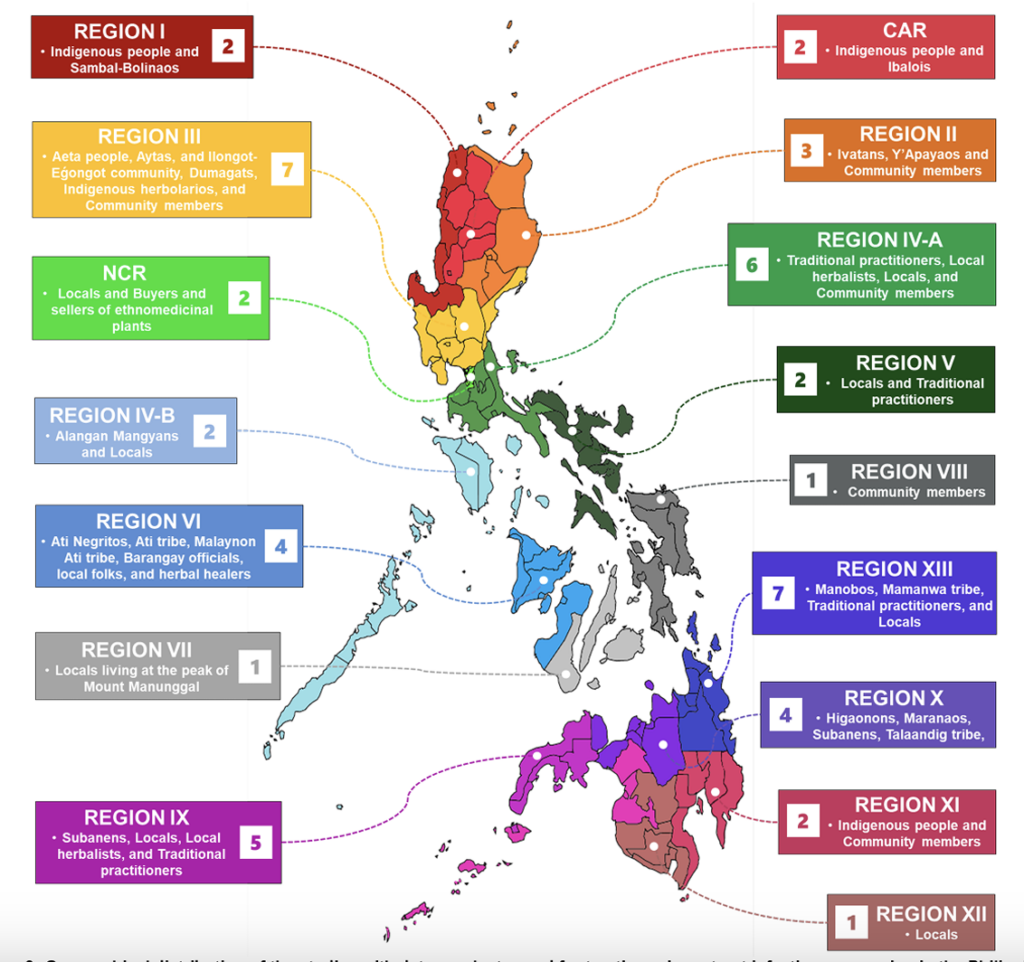
Study examines ethnomedicinal evidence on 97 plants traditionally used to treat urinary tract infections in the Philippines 31 March 2026 The Philippines is one of the world’s 18 mega-biodiverse countries, accounting for two-thirds of global biodiversity and 70-80% of plant and animal species. That is why it is unsurprising that the country ranks sixth in plant species variety, accounting for 5% of the global flora (Biodiversity Facts: Status and Trends of Biodiversity, Including Benefits from Biodiversity and Ecosystem Services n.d.). Furthermore, the country is culturally diverse, with an estimated 14 to 17 million Indigenous Peoples (IPs) divided into 110 indigenous communities and around 185 ethnolinguistic groups (United Nations Development Programme 2013). With such a diverse flora, the IPs learned to use medicinal plants to treat prevalent diseases. This practice became part of IP culture and has been passed down to succeeding generations (Belgica et al. 2021). As a result, medicinal plants became part of the Philippine primary health care system because they are readily available and inexpensive. The potential of traditional medicine in the Philippines is underscored by the prevalence of common community diseases such as urinary tract infections (UTIs). As of 2020, UTI is the third leading cause of morbidity in the country. However, there remains a scarcity of ethnobotanical studies documenting the use of plants in treating UTIs. This study showed the abundance of medicinal plants used in treating UTI in the Philippines. For example, in Laguna, Annona muricata L. leaves are commonly prepared as a decoction through boiling (Fiscal 2017). Similarly, the Y’Apayaos in Cagayan use decoctions from the leaves and stems of Lagerstroemia speciosa (L.) Pers. to treat UTIs (Baddu and Ouano 2018). Among the Subanens of Misamis Occidental, UTIs are managed by washing the affected area with a decoction of Gynura procumbens (Lour.) Merr. leaves (Alduhisa and Demayo 2019). Meanwhile, the Alangan Mangyans of Occidental Mindoro consume the juice of Cocos nucifera L. as a remedy (Villanueva and Buot Jr. 2020). However, pharmacological and toxicological studies are still needed to determine the safety and efficacy of these medicinal plants in treating UTIs in the community. This systematic review aims to investigate, synthesize, and compile ethnomedicinal evidence on anti-UTI medicinal plants in the Philippines that have yet to be clinically validated or recognized. Additionally, this review included toxicologic and teratogenic data on plant species that can be used as a reference for their safety and the need for further testing. A total of 97 plants were documented in this systematic review. The most commonly used plant for UTIs in this review was the coconut tree. Many of the frequently cited families and genera include common household plants in the Philippines, such as sambong and pandan. Their widespread availability in resource-limited settings highlights the need for further research on their potential anti-UTI properties. Authors: Mariel C. Magtalas (Department of Biology, College of Science, Bulacan State University), Manuel Luis A. Borja (College of Medicine, University of the Philippines Manila), Juan Raphael M. Perez (College of Medicine, University of the Philippines Manila), Elgin Paul B. Quebral (Department of Medical Microbiology, College of Public Health, University of the Philippines Manila), and Ourlad Alzeus G. Tantengco (Department of Physiology, College of Medicine, University of the Philippines Manila | Department of Biology, College of Science, De La Salle University, Manila)
New method enables more reliable skin cancer detection by automatically predicting skin lesion types with greater accuracy
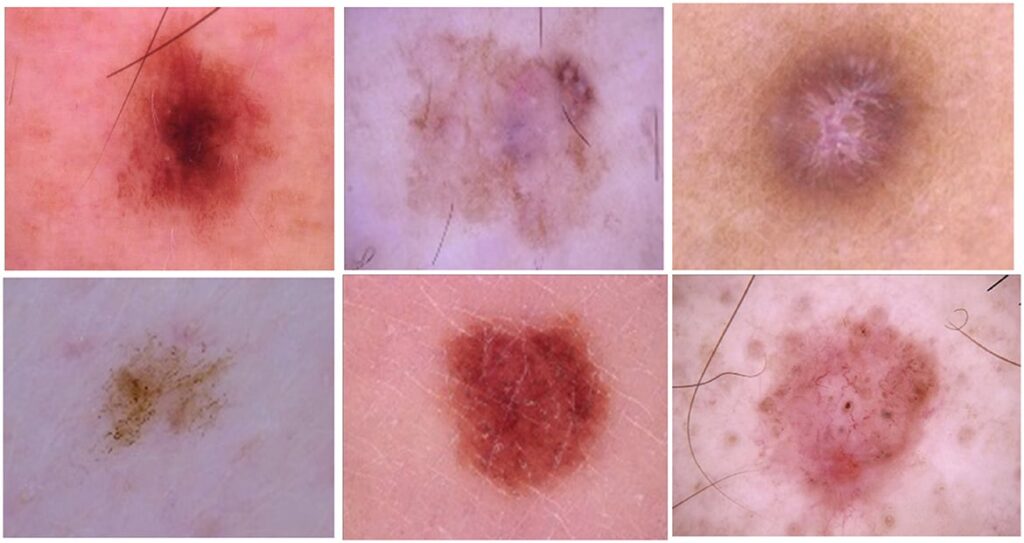
New method enables more reliable skin cancer detection by automatically predicting skin lesion types with greater accuracy 30 March 2026 Skin cancer is one of the most common and dangerous cancers globally, but early detection can significantly reduce mortality rates. Dermatologists distinguish between benign and malignant lesions that often look very similar in shape, border, and color, even though both come from melanocyte cells. This makes diagnosis challenging. Typically, doctors use dermatoscopes to examine skin lesions and may perform biopsies to confirm a diagnosis. Expert dermatologists can diagnose melanoma with over 60% accuracy even without specialized visual aids. Recent advancements in technology have shown that deep learning systems can match dermatologists’ accuracy in identifying skin cancer. However, there is still no universally reliable method for automated diagnosis. This study aims to develop a novel deep-learning approach for automatically predicting the type of skin lesion, providing doctors with a supportive tool for evaluating lesion images. The proposed model also incorporates patient characteristics—such as lesion anatomical location, age, and gender—to improve prediction accuracy. Recent findings indicate that men are 4% more likely to die from melanoma and 10% more likely to develop the disease than women. Our research focuses on enhancing skin cancer detection by developing advanced Convolutional Neural Network (CNN) models and hybrid machine learning techniques. We tested four different CNN variations and combined them with methods like Support Vector Machines, Random Forest, and Logistic Regression. Our models achieved high accuracy rates of up to 99% when analyzing over 10,000 images from the HAM10000 dataset. We also used techniques to balance and normalize the data, making the models more effective. Importantly, our findings suggest that incorporating patient information with lesion images can further improve diagnostic accuracy. This work is pivotal in advancing automatedtools for diagnosing skin cancer, making early detection more reliable, and potentially saving lives through timely medical treatment and intervention. Authors: Hadeel Alharbi (College of Computer Science and Engineering, University of Hail), Gabriel Avelino Sampedro (Department of Computer Science, University of the Philippines Diliman), Roben A. Juanatas (College of Computing and Information Technologies, National University, Manila) and Se-jug Lim (School of Electrical and Computer Engineering, Yeosu Campus, Chonnam National University)
The inclusion of bignay pomace reduces the estimated glycemic index of common local grains during digestion

The inclusion of bignay pomace reduces the estimated glycemic index of common local grains during digestion 27 March 2026 Bignay [Antidesma bunius (L.) Spreng] is a fruit widespread in the Philippines. It is usually consumed in processed form as juice, concentrate, or wine. The skin, seeds, and some of the leftover pulp, known as pomace, are discarded in the process. But since it consists of peel and seeds, pomace contains high dietary fiber, which can increase the viscosity of food and, in turn, slow the rate at which digestive enzymes access starch granules. As a result, the starch is broken down more slowly, which prevents a rapid spike in blood sugar after eating. This study examined at the laboratory scale the effect of bignay pomace on the estimated glycemic index (eGI) of commonly consumed local grains when digested together. The results of the experiments showed that adding 1% freeze-dried bignay pomace led to significant reductions in the estimated glycemic index and hydrolysis index (15–32%) during a two-stage simulated in vitro digestion of rice, adlai, white corn grits (WCG), a 50:50 rice:adlai mix, and a 70:30 rice:WCG mix. Further analysis indicated that total dietary fiber and resistant starch in the grains influenced eGI, as these components slowed starch digestion. Bignay pomace notably reduced the rate of in vitro digestion of local grains, suggesting its potential to improve the glycemic index. This study provides important baseline data for exploring the use of bignay pomace as a food supplement for preventing non-communicable diseases, particularly obesity and type 2 diabetes, which are both lifestyle-driven. There has been a growing interest in functional foods as people increasingly adopt healthier lifestyles. The use of underutilized fruits such as bignay is currently being investigated for their high amount of bioactive substances with health-promoting effects, particularly in addressing non-communicable diseases such as obesity and diabetes mellitus. Despite the many health benefits of bignay, no studies have examined its effect when digested with commonly consumed grains such as rice. Having a deeper understanding of starch’s digestibility is important in crafting solutions to regulate postprandial blood glucose levels, which is essential in lowering the risk of nutrition-related diseases such as obesity and type 2 diabetes. Incorporating an underutilized fruit with bioactive capacities in a staple food like rice is a practical approach. Hence, the findings of this study can serve as baseline data for the development of bignay as a functional food ingredient that can be easily integrated into the Filipino diet. Authors: Jonina Marie Tengco (Institute of Food Science and Technology, College of Agriculture and Food Science, University of the Philippines Los Baños | Department of Science and Technology – Science Education Institute), Florencio Collado Reginio Jr. (Institute of Food Science and Technology, College of Agriculture and Food Science, University of the Philippines Los Baños), Gilda Melanie Babaran (Institute of Food Science and Technology, College of Agriculture and Food Science, University of the Philippines Los Baños), Claire Zubia (Institute of Food Science and Technology, College of Agriculture and Food Science, University of the Philippines Los Baños), Y. Ogawa (Graduate School of Horticulture, Chiba University) and Sheba Mae Duque (Institute of Food Science and Technology, College of Agriculture and Food Science, University of the Philippines Los Baños)
Researchers achieve an 86% response accuracy rate for a hand orthosis for stroke rehabilitation, using surface electromyography signals
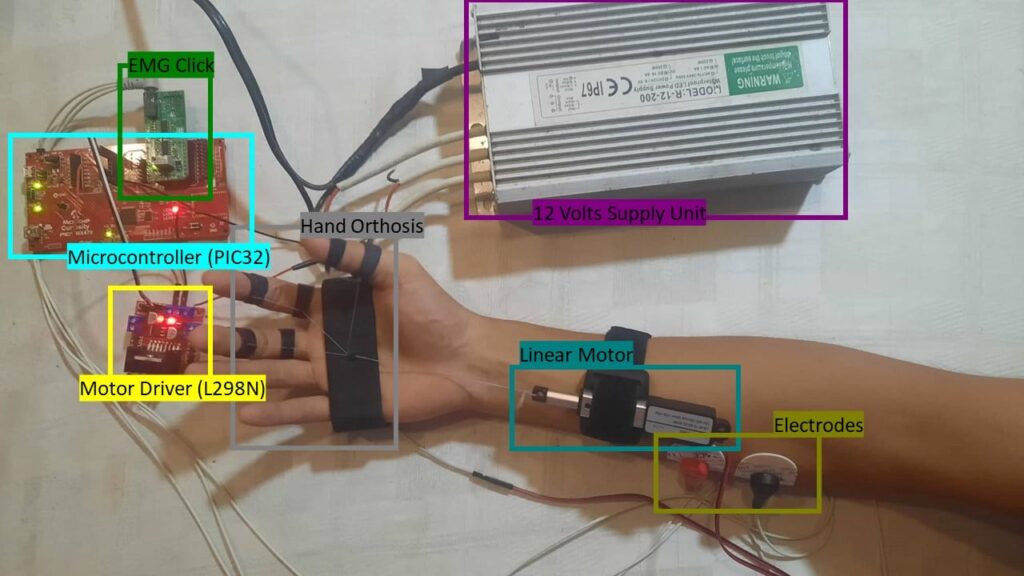
Researchers achieve an 86% response accuracy rate for a hand orthosis for stroke rehabilitation, using surface electromyography signals 26 March 2026 Loss of control in gripping with the hand is a possible long-term effect of stroke. Recovery from this is possible through rehabilitation. Robotic assistive technology is being explored and used for such rehabilitation. Using surface electromyography (sEMG) signals from the arm, the recovering stroke patient can control the robotic assistive device for rehabilitation. This is the myoelectric hand orthosis. Based on studies conducted in the early 2000s, patients who lose or experience impaired motor function in the upper limb are more likely to recover if the therapy includes active patient participation on a neurological level, rather than passively following a predetermined set of movements with an assistive device. Thus, robotic assistive technology needs to function on a stimulus or control initiated by the patient. Surface electromyography is a non-invasive technique that detects muscle activity and translates it as an electrical signal that can be measured in the frequency spectrum, amplitude, or the action potential. Using sEMG has proven to be an accurate control signal in the context of robotic assistive technology in rehabilitation, by using an array of electrodes to cover the major muscle groups involved in the movement being allowed and aided by the assistive technology. This work explored the potential of using the magnitude of the sEMG signal to control the force exerted by the hand orthosis and to make it proportional to the user’s intended force. Testing results showed a linear, directly proportional relationship between the user’s applied force and the magnitude of the electromyography signal, enabling this control signal to be used in force-control applications of the prototype. The prototype recorded a maximum force of 25.48 N, which it can supply to assist the user in gripping motions. It also achieved 86% response accuracy for hand grip and release motions. Authors: Micah Angelo R. Bacani (Electrical and Electronics Engineering Institute, College of Engineering, University of the Philippines Diliman) and Manuel Ramos Jr. (Electrical and Electronics Engineering Institute, College of Engineering, University of the Philippines Diliman)
Philippine island communities face unique healthcare challenges shaped by geographical isolation and disparities in technological access and literacy
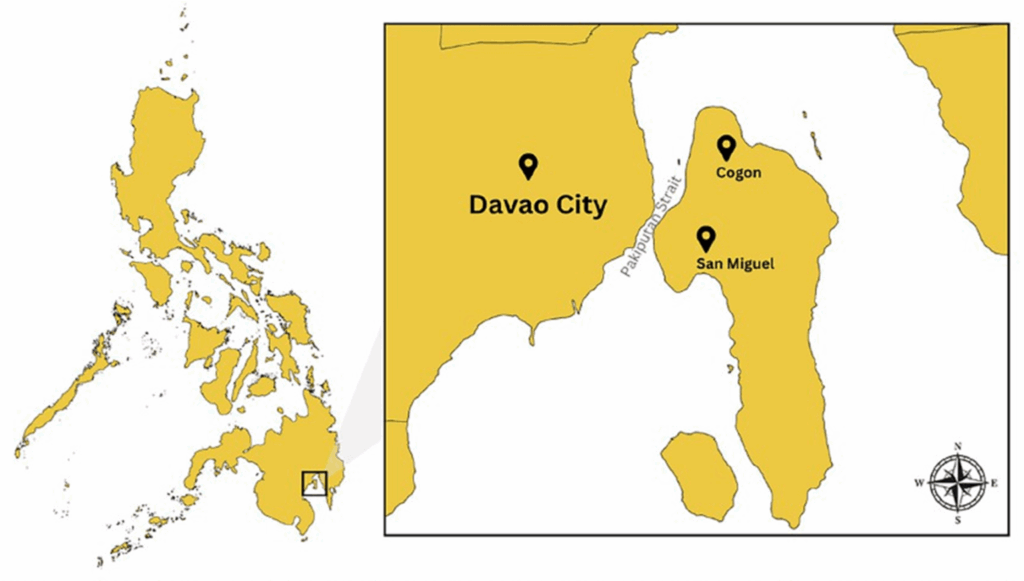
Philippine island communities face unique healthcare challenges shaped by geographical isolation and disparities in technological access and literacy 25 March 2026 In regions separated by water and challenging terrain, the healthcare journey involves not only crossing physical distances but also navigating systems of care that remain largely inaccessible to geographically isolated populations. The Philippines exemplifies these challenges, having 7,641 islands that create a fragmented healthcare landscape. This study explores how residents of Philippine island communities navigate healthcare systems when separated from mainland medical facilities by water. Using focus group discussions and interviews, researchers examined the experiences of 46 individuals from two rural villages in the Island Garden City of Samal in Davao del Norte, Mindanao. The findings reveal a complex interplay between geographical isolation, digital connectivity, and social resources that shapes healthcare access. Digital patient navigation services create virtual bridges to mainland healthcare, reducing the financial and time burdens of travel across water. However, these services simultaneously create new forms of inequality based on access to technology and digital literacy, particularly affecting the elderly and economically disadvantaged populations. The island’s inconsistent internet connectivity and varying levels of technological capability create distinctive “digital geographies” that further impact healthcare access. Community health workers emerge as crucial connectors, helping those with limited technical skills access navigation services. Based on these findings, the study recommends place-sensitive interventions, including strengthened community-based navigation support systems, strategic investments in technological infrastructure, and targeted information campaigns. By exploring how geographical isolation intersects with factors such as digital connectivity, age, education, and economic status, the research provides valuable insights into healthcare access inequalities that affect millions worldwide. The results have relevance beyond the Philippine archipelago, offering insights applicable to other geographically isolated settings worldwide—from remote mountain villages to coastal communities and other island nations. Understanding these place-specific healthcare navigation challenges can help policymakers develop more effective, contextually appropriate interventions that address both physical and digital barriers to healthcare access, potentially improving health outcomes for underserved populations in similar settings globally. Authors: Cristela Mae C. Candelario (Department of Health Promotion and Education, College of Public Health, University of the Philippines Manila | School of Medical Laboratory Science, San Pedro College, Davao City) and Eleanor C. Castillo (Department of Health Promotion and Education, College of Public Health, University of the Philippines Manila)
The Spanish and Tausug versions of the landmark Sulu–Spanish Treaty of 1836 reflect different intentions
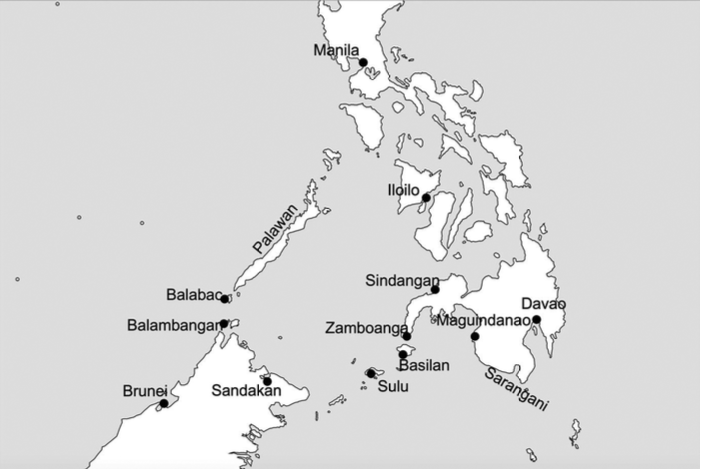
The Spanish and Tausug versions of the landmark Sulu–Spanish Treaty of 1836 reflect different intentions 24 March 2026 In the second half of the 1830s, several indigenous overlords in the Sulu–Mindanao–Borneo region began signing treaties, marking a new phase of power negotiations. These agreements created a system aimed at controlling trade and protecting mutual interests during a time of major social and economic change in the Philippines and maritime Southeast Asia. This system of treaties, which has not been documented in published literature before, included agreements with the Sultanate of Sulu (September 23, 1836), the island of Basilan (December 6, 1836), the Sultan of Maguindanao (May 22, 1837), the chiefs (datus) of Sarangani (May–June 1838), and the Mandaya chiefs in Davao (1838). These were signed with Spanish representatives, such as the Governor General in Manila, the Governor of Zamboanga, or Spanish naval officers. This essay focuses on the Sulu-Mindanao-Borneo region in the 1830s and zooms in on the Capitulaciones (Spanish) and the Kapiturasyun (Tausug) versions of a treaty concluded between the Spanish Crown and the Sultanate of Sulu in 1836/37. It compares the different versions of the treaty texts from the perspective of a system of treaties across the region. Uneven historiographical attention has led to myth-building and a controversy over whether the treaty would have established Spanish sovereignty over the Sulu sultanate. To add nuance to this claim, the study examines the specificities of the treaties together with a large set of complementary sources. A deep, comparative reading sheds light on the motivations and strategies that accompanied the entire process of planning, negotiating, and ratifying the treaty and the consequences it had for directly and indirectly participating parties. This article contributes to both Southeast Asian history and the growing field of new diplomatic history. It examines the landmark Sulu–Spanish Treaty of 1836 to explore the motivations of the Spanish and, in particular, the Tausug sultan and chiefs. By analyzing both the original Spanish and Tausug versions of the treaty, the study highlights their differences and the intentions behind them. In doing so, it deepens our understanding of Sulu’s history, its international entanglements, and the unique process of treaty-making between Sulu and Spain in the context of Southeast Asia and the Spanish colonies. Authors: Birgit Tremml-Werner (Department of History, Stockholm University), Eleonora Poggio (Department of Cultural Sciences, Linnaeus University) and Ariel Lopez (Asian Center, University of the Philippines Diliman)