
Getting around the Philippines is already a daily strain on time, energy, and wallets, and with fuel prices showing no sign of easing, more Filipinos are turning to electric vehicles (EVs) as a way out.
From 27 percent last year, Filipinos eyeing an EV car purchase increased to 34 percent, primarily to lessen their fuel expenses, according to a report by Manila Bulletin. However, the article also identifies charging-related concerns as a major barrier to EV adoption: charging time, driving range, and public charging availability.
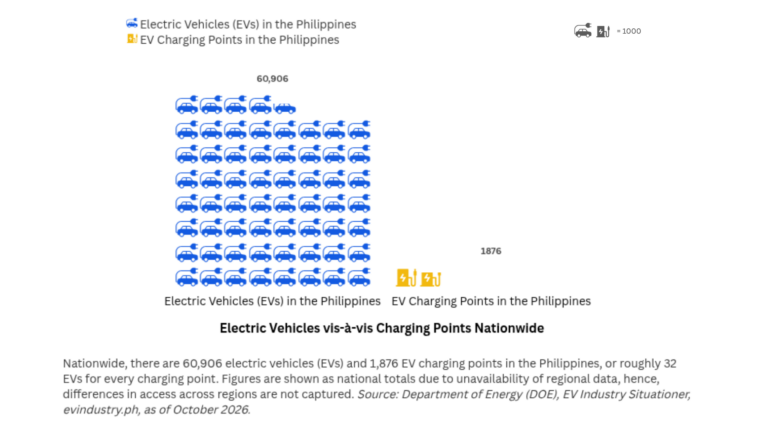
It is rather timely that CHRG Electric Vehicle Technologies, Inc., a startup born from research at the University of the Philippines Diliman, recently powered up its capacity to scale through Leave a Nest Group and IGNYSIA Holding Co., Ltd.’s strategic investment and partnership—a milestone that advances EV charging infrastructure in the Philippines. This makes CHRG the first university spin-off in the EV sector to receive this kind of investment, connecting Philippine deep tech research to the Japanese industrial ecosystem.

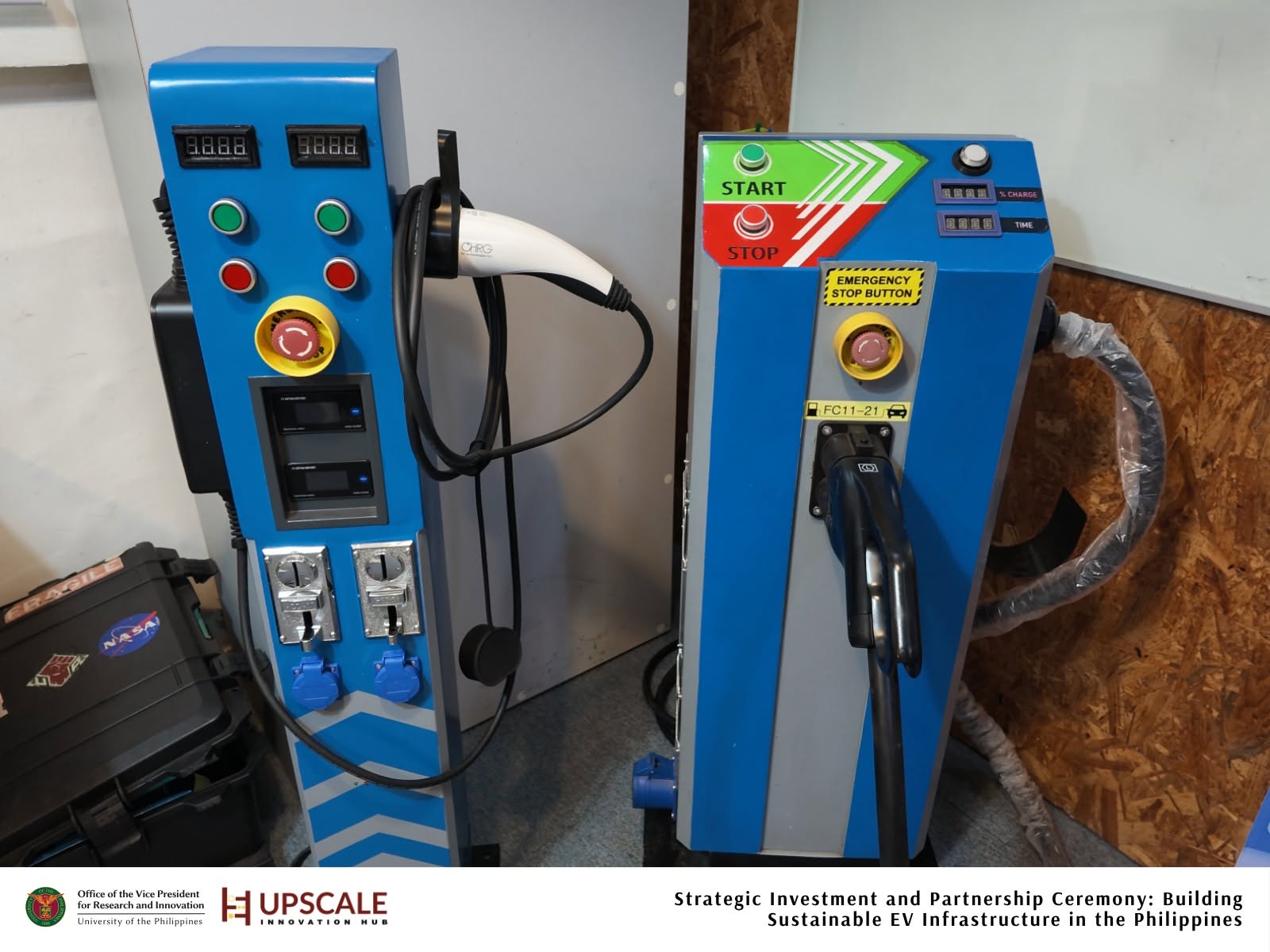
At the heart of CHRG’s products and services is CharM, short for Charging in Minutes. It began in 2013 as a DOST-funded research project at the UP Diliman Electrical and Electronics Engineering Institute (EEEI). The fast charger can fully charge an electric vehicle in about 30 minutes, compared with the four to six hours typical of conventional charging. This directly addresses the first barrier keeping Filipinos from switching to EVs.
CharM was also designed with the local road in mind. It was built for e-trikes and e-jeeps, the light electric vehicles that make up a large share of the country’s EV market and carry the first and last mile of daily commutes.
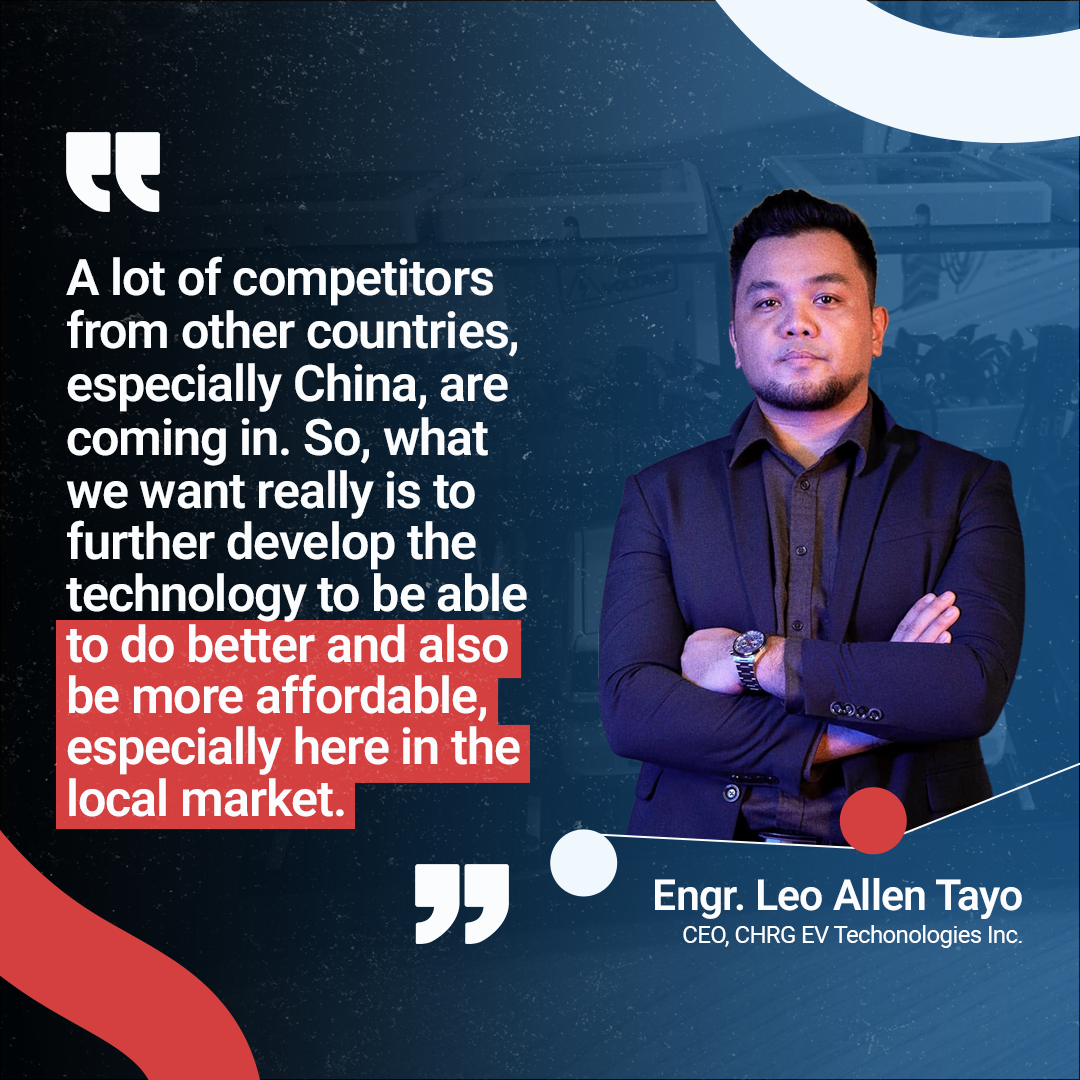
“We’re only here because we’re standing on the shoulders of giants. So, hopefully, this partnership bears more fruit. And, definitely, we’re not going to treat this investment as a trophy. But rather, as a challenge for the startup. For the company to further grow. To further better ourselves. To further reach more people. And reach more communities for our technology,” CHRG CEO Engr. Leo Tayo shared.
This partnership adds the capacity to build, install, and maintain at scale, something hardware companies often struggle to find. Leave a Nest Group brings its network of deep tech investors, while IGNYSIA, with 120 years of experience in gas, water, and power infrastructure, brings expertise in installation, operation, and maintenance. Together, they tackle the second major barrier: the lack of accessible charging infrastructure.
In line with the Department of Energy’s master plan for the industry, the team also plans to build an EV charging highway connecting islands, ensuring drivers using inter-regional RoRo ferries never run out of charge.
“Of course, we’re continuously working with the government in terms of regulation, not just the Department of Energy (DOE) but also with the Department of Trade and Industry (DTI). So, we’re also looking forward to improving our technology,” Engr. Tayo stated.
CHRG’s wider portfolio includes air-conditioning charging pods, battery management systems, and power electronics, along with design and consultancy for charging station infrastructure.